




The processing of marble typically follows the workflow outlined below:
Sawing - Grinding and Polishing - Cutting - Chiseling - Flame Texturing - and finally, Auxiliary Processing, Inspection, and Repair.
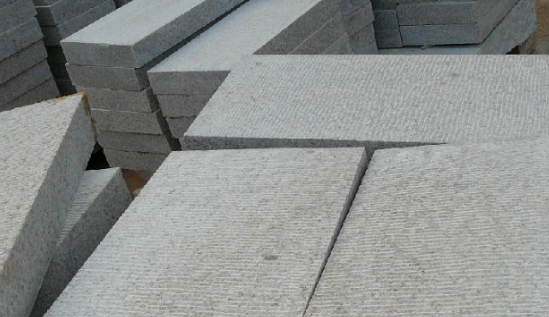
The *sawing* stage of marble processing involves using specialized stone-sawing machinery to cut raw blocks (quarry blocks) of granite or marble into rough slabs (typically 20 mm or 10 mm thick), or into semi-finished strips, blocks, or other shapes as specified by designers.
There are strict regulations governing the sequence and methods of stone processing; this not only helps minimize production costs but also ensures that raw stone blocks are utilized efficiently with minimal waste. Consequently, the primary equipment used in the sawing stage includes specialized large-scale automatic frame saws (utilizing sand abrasion), multi-blade bidirectional cutting machines, computer-controlled multi-blade granite cutters, and large-diameter circular disc saws.
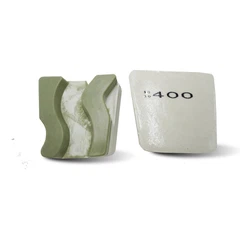
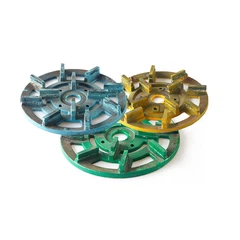
The next stage is *grinding and polishing*. This involves further processing the rough-sawn slabs to ensure their thickness, flatness, and surface gloss meet the required specifications. The process typically proceeds through stages of semi-fine grinding, fine grinding, precision grinding, and final polishing; it is only after these steps are completed that the full depth of color and natural texture of the granite or marble is fully revealed.
The third stage is *cutting*. This involves using cutting machinery to trim the rough slabs-or the previously polished slabs-into specific shapes and dimensions that match the required specifications.
Following this is the *chiseling* stage. This process typically involves techniques such as wedge-splitting, manual chiseling, chopping, dressing, and grinding to transform rough slabs into the desired finished products. The various surface finishes commonly seen-such as machine-cut, "pineapple" (rough-hewn), "lychee" (bush-hammered), natural-split, and "mushroom" (rustic-relief) textures-are all achieved through these chiseling and texturing processes. The flame-finishing process-also referred to as thermal treatment or sandblasting-is applied to granite and marble to create a textured surface. This technique exploits the varying coefficients of thermal expansion among the different mineral grains within the stone; by subjecting the material to intense flame, the surface grains expand, fracture, and flake away, resulting in a rough, textured finish characterized by an orderly, undulating pattern.
Granite treated in this manner is typically utilized for outdoor paving or exterior wall cladding. Following this primary treatment, the stone undergoes auxiliary processing, which involves final edging, chamfering, cutting of openings, drilling, and milling.

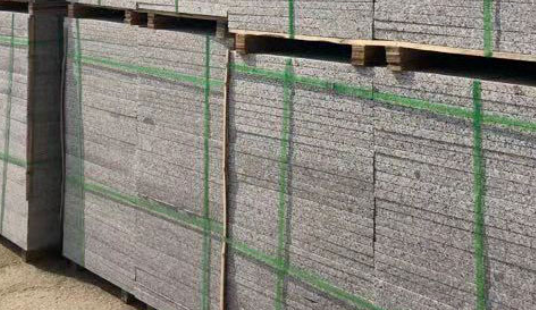
Upon the completion of the aforementioned steps, the granite and marble undergo a rigorous inspection and repair phase. Should any defects-such as cracks, voids, or minor blemishes-be detected, they are immediately cleaned and rectified. The stone is then thoroughly dried and re-inspected before being packaged for shipment. Any products that fail to meet quality standards are segregated for remedial work-including bonding and patching-thereby minimizing the overall reject rate.