




On the landscape of China's stone industry, Shuitou in Fujian and Yunfu in Guangdong stand as two monumental pillars that simply cannot be overlooked. While Shuitou undoubtedly commands half of the global stone throughput-accounting for approximately 50% to 60% of the worldwide total-Yunfu, through its unique philosophy of survival, continues to occupy an irreplaceable position within the industry.
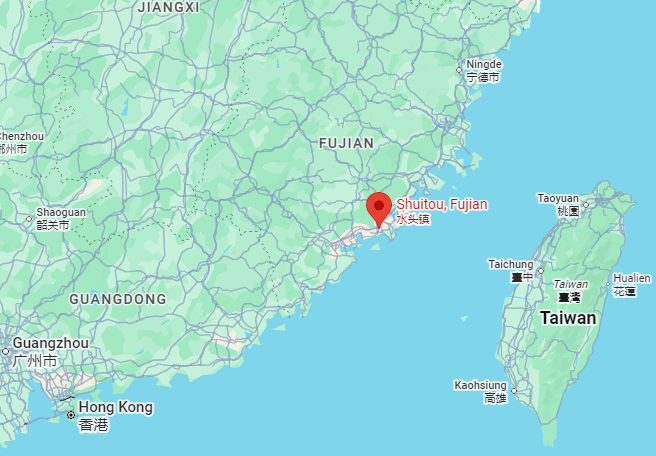
Shuitou Town is located in Quanzhou City, Fujian Province, in southeastern China, situated across the sea from Taiwan.
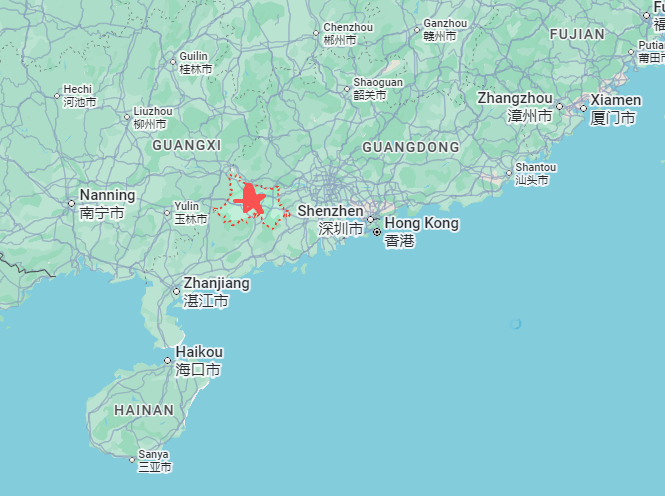
Yunfu City is located in Guangdong Province, in southern China, and is relatively close to Guangzhou.
Shuitou and Yunfu represent two distinct and representative business models within China's stone industry:
Fujian Shuitou's "High-Turnover Model" and Guangdong Yunfu's "Precision Craftsmanship Model."
The core contrasts are as follows
1 Business Philosophy and Scale:
Shuitou Model:
Pursues "speed and intensity," utilizing high financial leverage to mobilize massive capital, thereby achieving rapid asset turnover and large-scale, mass-market operations. Its primary objective is the swift recovery of funds for reinvestment in the next business cycle-a strategy that has driven Shuitou to become the world's largest hub for stone distribution. This model is ideally suited for large-scale engineering projects and bulk orders.
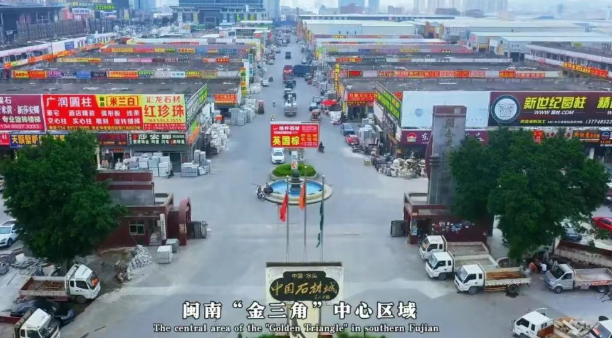
(Shuitou Town, Quanzhou City)
Yunfu Model:
Leans toward "precision and fine craftsmanship," characterized predominantly by numerous small workshops or family-run enterprises operating on a "front-shop, back-factory" model. Operations are highly flexible; these businesses excel at intricate processing, the handling of complex stone materials, and highly challenging custom projects, demonstrating distinct advantages in the realms of high-end customization and small-batch orders.
2 Capital and Operational Methods:
Shuitou Model:
Capital-intensive in nature, emphasizing the principle that "turnover rate is more critical than gross profit margin." A common strategy involves rapid sales: once costs have been recouped, any remaining inventory may be sold off at discounted prices to accelerate the recovery of capital.
Yunfu Model:
Capital management is more flexible and agile, frequently involving small-scale partnerships (e.g., several parties pooling orders to purchase materials). Profits are settled and distributed after sales are completed; these collaborations are typically loosely structured and highly adaptable to changing circumstances.
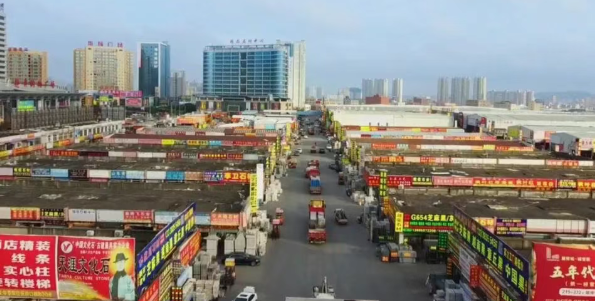
(Yunfu Stone Market)
3 Craftsmanship and Market Positioning:
Shuitou Model:
Excels in low-cost, large-scale, and standardized production.
Yunfu Model:
Boasts exquisite artisanal craftsmanship-particularly in the handling of stone materials containing natural imperfections (such as *Sahara Beige* or *Dark Emperador*). Through masterful techniques involving patching, filling, and splicing, they are able to achieve results that are virtually flawless.
Neither of these two models possesses an absolute advantage over the other; rather, they respectively embody "scale and efficiency" and "precision and flexibility," collectively forming the diverse and resilient ecosystem of China's stone industry. The Shuitou model is best suited for arenas that prioritize speed and scale, whereas the Yunfu model remains indispensable in domains demanding profound craftsmanship and customization.
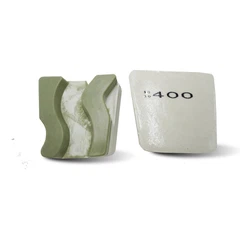
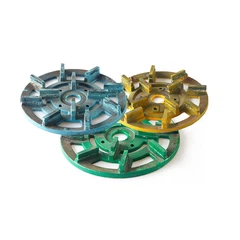
The Shuitou Stone Market holds a pivotal position within China's stone industry. Cheefung company maintains both a warehouse and an office in Shuitou, and for many years, we have consistently supplied stone grinding tools to local stone factories, thereby accumulating a wealth of experience. Our operations extend beyond serving the Shuitou market; we also look globally, exporting our high-quality stone tools to destinations across the world.